
Meditation Isn’t What You Think: My 40-Day Experiment
How a 40-day meditation experiment transformed my life during its hardest moments.
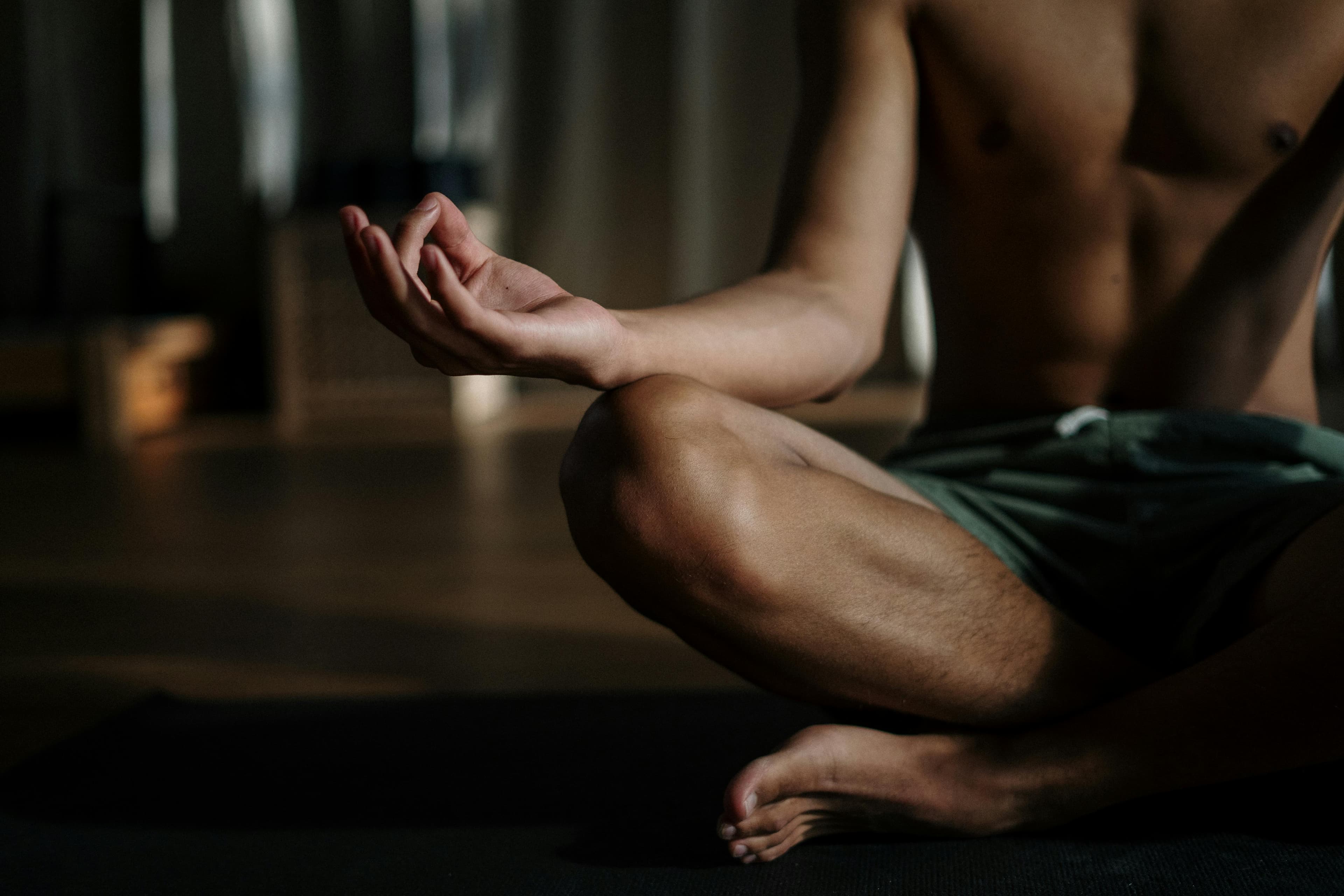
Meditation Isn’t What You Think: My 40-Day Experiment
TL;DR: I thought meditation meant “stop thinking.” It’s really “observe without merging.” 5 raw minutes became 30 grounded minutes that rewired reactivity, sleep, and emotional velocity over 40 days. You don’t need perfection—just daily gentle return.
Intro
A few months ago, I was going through one of the hardest times of my life. I had just been laid off. I felt lost, overwhelmed, and uncertain about everything. My mind was noisy. I couldn’t sleep. I didn’t know how to process anything. I needed something to help me cope… so I decided to try something different: a 40-day experiment with meditation. And it changed everything.
The Process
I had no idea what I was doing. I started small — just a few minutes a day — but it was hard. Really hard. I thought meditation meant clearing your mind… but the more I tried to stop my thoughts, the louder they got. It felt like I was doing it all wrong. And honestly, I almost gave up.
But that early frustration made me dive deeper. I started researching. I read books, listened to talks, watched videos — anything to help me understand why this practice wasn’t working for me. That’s when I found The Power of Now by Eckhart Tolle. That book changed everything. I realized that meditation isn’t about stopping thoughts — it’s about observing them. Not reacting. Not identifying with them. Just… watching.
I stopped trying to be perfect and just committed to 5 minutes a day. Over time, I worked up to 10… 20… and eventually 30 minutes every morning. I tried meditating everywhere — the living room, the bedroom, the car — and in different positions. Sitting cross-legged. Lying on the floor. I even tried multiple apps. Eventually, I found what worked: I’d lie down on the couch, put on a timer, wrap myself in a blanket, and listen to meditation music or sound baths.
Teach Something
Meditation is like sitting in a circus without watching what they are doing or ignoring what they are doing. It’s hard. Your mind isn’t used to it, and it might fight back. But the key is to refocus on the breath, your body, or a sound. For me, it was sound. I would play sound baths or meditation music or chanting. When my mind started to run off, I learned to notice it and refocus on something else. The main thing is to let your mind run and let it go through its pace. Everything has an ending, and your thoughts will end if you don’t react to them. Let them flow and die on their own.
Reflect
Something shifted. I found stillness — not silence, but awareness. I started seeing my mind like weather — always changing, but not always worth reacting to. I noticed I was calmer. I reacted less. I started forgiving more. I understood that most people are just reacting to their minds too — and don’t even realize it.
One thing I realized is that thoughts — like emotions — have a beginning, middle, and end. I saw that when someone gets angry, it doesn’t last forever. And if I can just stay calm and wait, the moment passes. Meditation became part of my life. A way to come back to myself. To the present.
Invite
If you’re struggling with meditation — don’t quit. Learn. Read. Watch. Get curious. Meditation isn’t easy. But it’s worth it. Especially when life is hard. Because that’s when it shows you who you really are.
What are the biggest challenges you face when starting meditation? Let me know in the comments below or share your story. Let’s learn from each other.
Try This Tomorrow Morning
- Set a 5‑minute timer.
- Sit or lie down—choose comfort over aesthetics.
- Pick one anchor (sound / breath / body weight).
- Each time the mind leaves, label it “thinking” and return.
- Log a single word afterward (state).
Stack with cold later if you want, but build the observing muscle first.